Technology Explorers
Technology is all around us! In this exciting STEM incursion, students discover how technology helps people solve everyday problems through a series of five engaging missions. As young inventors, coders and technology detectives, students explore digital technologies, develop early coding skills and create their own robot while building confidence, creativity and problem-solving skills through hands-on learning.
Mission 1 – Mouse Robot Adventure
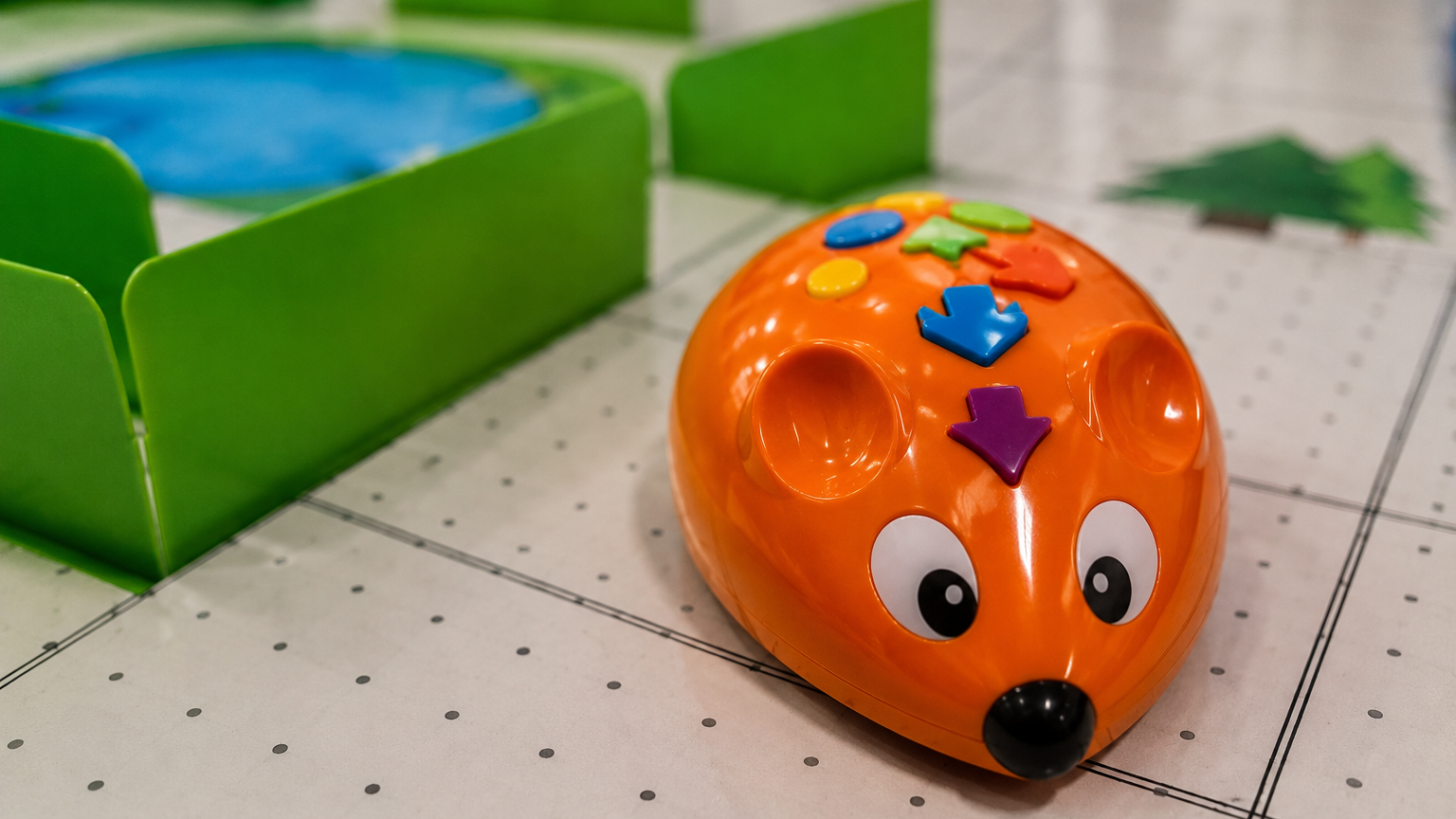
Students become junior programmers as they use Code Mouse Robots to navigate a themed challenge mat. Working collaboratively, they create simple sequences of directional commands, predict outcomes and refine their code until their robot successfully reaches its destination.
Mission 2 – Technology Detectives
Can you tell the difference between digital and non-digital technology? Students investigate a collection of familiar everyday objects before sorting them into digital and non-digital categories. Through discussion and exploration, they discover how different technologies make our lives easier at home, at school and in the community.
Mission 3 – Build-a-Robot Workshop
Students step into the inventor’s workshop to design and build their own robot using a variety of craft materials. Following a simple design process, they assemble, decorate and personalise their robot before taking it home as a reminder of their STEM adventure.
Mission 4 – Toy Discovery Station
Students explore a range of traditional and modern toys, investigating how they work and the purpose they serve. Through guided discussion, they compare different types of technologies and discover that technology doesn’t always require batteries or screens.
Mission 5 – Interactive Technology Exploration
Students experience a variety of engaging digital technologies through supervised exploration. As they interact with different devices, they discuss how technology can be used to learn, create and solve problems while practising responsible use of digital tools.
Students Will
- Recognise the difference between digital and non-digital technologies.
- Develop early coding and computational thinking skills.
- Follow a simple design process to create a robot.
- Build confidence through collaboration and problem-solving.
- Discover how technology helps people in everyday life.
- Take home their own robot creation.
Suits: Foundation
Amazing Materials
What makes some materials waterproof, stretchy, rough or smooth? In this hands-on STEM incursion, students become young scientists and engineers as they investigate the fascinating properties of everyday materials. Through five engaging missions, students observe, compare, test and create while discovering why different materials are chosen for different purposes. The incursion encourages curiosity, critical thinking and creativity through meaningful, play-based learning.
Mission 1 – Waterproof Challenge
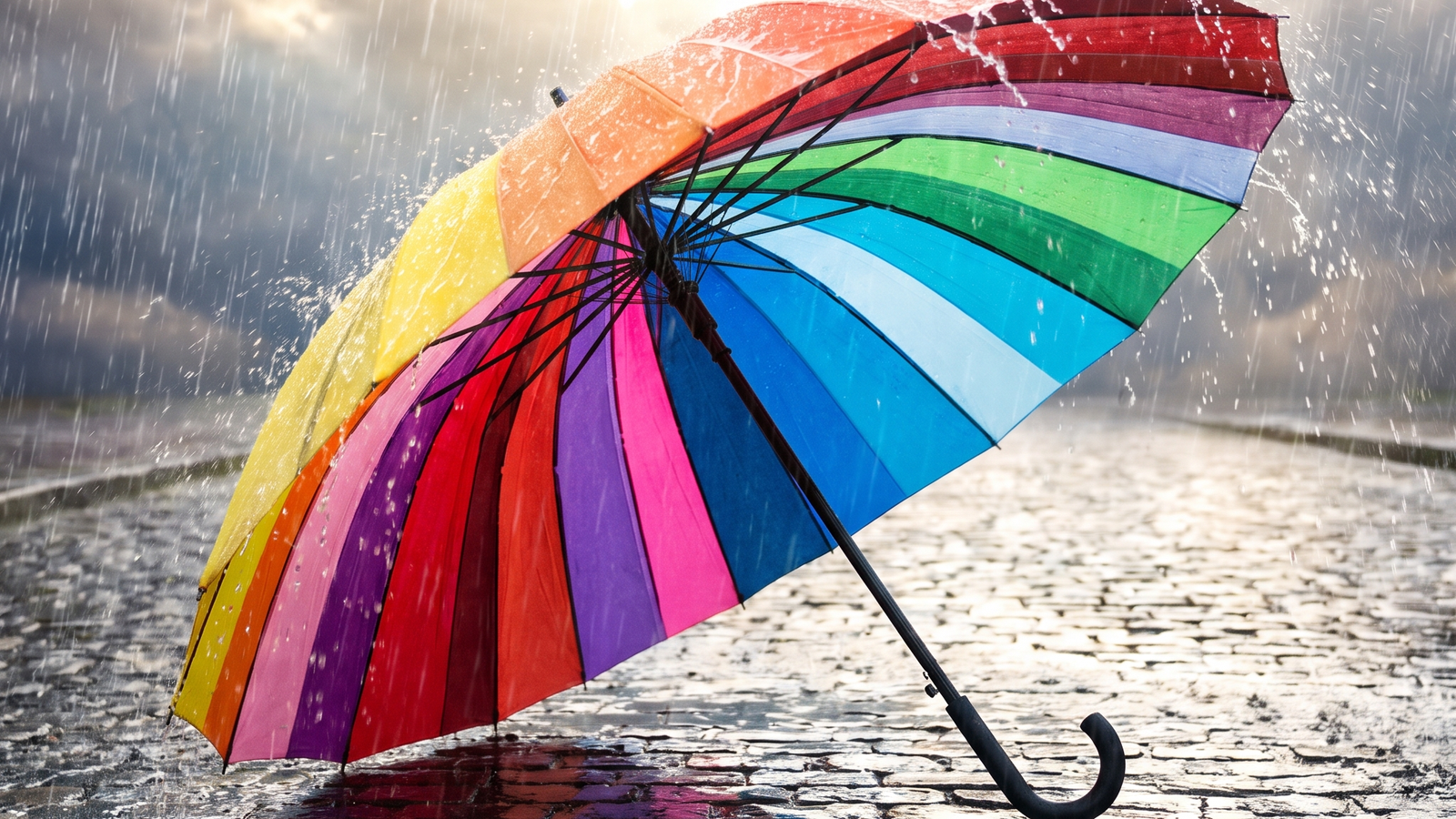
Students become materials scientists as they investigate which everyday materials absorb water and which repel it. Through simple predictions and hands-on testing, students discover why some materials are better suited for keeping people and objects dry.
Mission 2 – Material Detectives
Using their senses, students investigate a variety of materials to discover their unique properties. They compare textures, flexibility, strength and appearance before describing and sorting materials based on their observations.
Mission 3 – Magnet Magic
Students explore the invisible force of magnetism through exciting hands-on challenges. They use magnetic tools to search for hidden treasures, investigate which materials are attracted to magnets, and discover how magnets can be used to move and connect objects. Students then apply their discoveries through playful building and problem-solving challenges.
Mission 4 – Materials Match-Up
Can you choose the best material for the job? Students sort everyday objects and match them with the materials they are made from, discussing why particular materials are suitable for different purposes. They discover that the properties of materials influence how we use them in everyday life.
Mission 5 – Wind Engineers
Students become engineers as they design and create their own wind-powered toy to take home. As they build, they explore how properties such as weight, flexibility and strength affect how materials move in the air. Students test their ideas and discover why choosing the right materials is an important part of successful design.
Students Will
- Explore and compare the properties of everyday materials.
- Investigate how materials behave through simple scientific testing.
- Develop observation and prediction skills.
- Recognise why different materials are used for different purposes.
- Design and construct a functional kite using appropriate materials.
- Take home their own handmade kite.
Suits: Foundation

Space Explorers
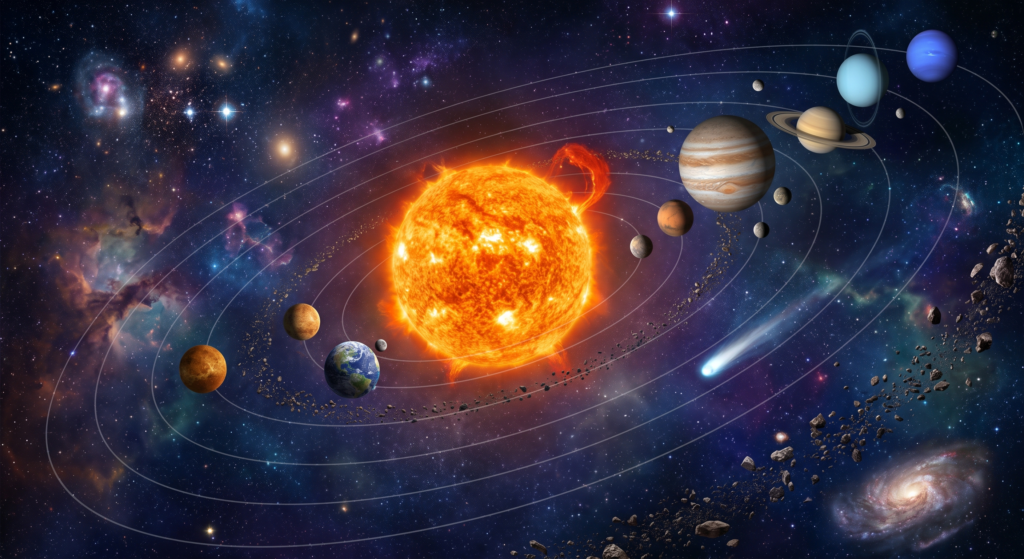
Prepare for an unforgettable journey beyond Earth! In this exciting STEM incursion, students become astronauts, engineers and space scientists as they complete five engaging missions inspired by the wonders of space. Through coding, engineering, scientific investigation, virtual reality and creative design, students develop curiosity and problem-solving skills while discovering what it takes to explore our Solar System.
Mission 1 – Edison Space Adventure
Students become space pilots as they program Edison robots to complete exciting missions across a space-themed challenge mat. Working collaboratively, they create, test and refine sequences of instructions to navigate planets, avoid obstacles and reach their destination.
Mission 2 – Space Discovery Zone
Students become space explorers as they investigate the incredible machines and technology used to explore beyond Earth. Through hands-on play with rockets, rovers, robots, astronauts and space models, students discover how humans travel, live and investigate in space.
Using fascinating space photographs, matching games and visual resources, students make discoveries about rockets, spacecraft, space stations and robotic explorers while discussing the important jobs they perform.
Mission 3 – Virtual Space Expedition
Students step inside a virtual spacecraft and experience the wonders of space through immersive virtual reality. As they explore planets, stars and life aboard a spacecraft, students gain a greater appreciation of Earth’s place in the Solar System.
Mission 4 – Space Science Lab
Students become planetary geologists as they closely examine a collection of rocks and space-themed specimens using magnifying glasses. They observe patterns, textures and features while comparing their discoveries and discussing how scientists study objects from space.
Mission 5 – Galaxy Jar Workshop
Students finish their adventure by creating their very own galaxy jar. Using colourful layers and sparkling materials, they design a miniature galaxy to take home while reflecting on the incredible beauty and mystery of our universe.
Students Will
- Develop computational thinking through coding challenges.
- Explore the features of Earth and space through scientific investigation.
- Experience space exploration through immersive virtual reality.
- Observe and compare rocks using scientific equipment.
- Create and take home their own galaxy jar.
- Strengthen teamwork, creativity and problem-solving skills through hands-on learning.
Suits: Grades 1-2
Home Sweet Habitat
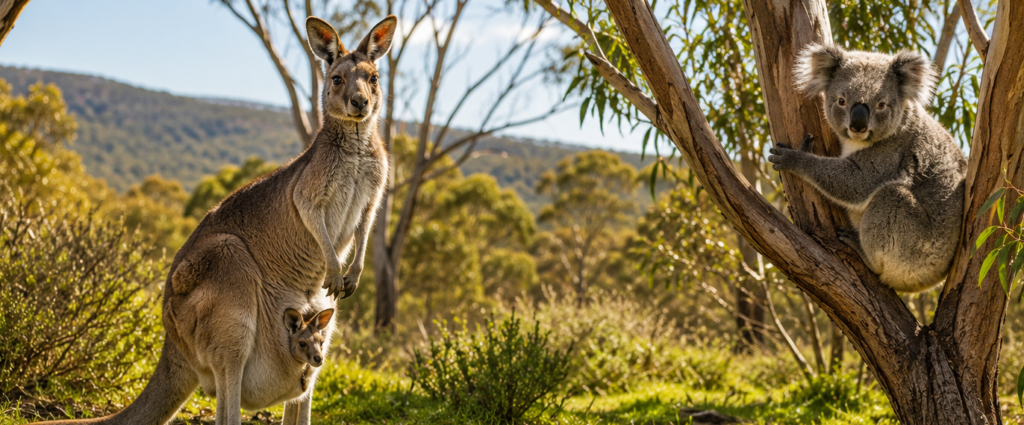
Every animal needs a place to call home! In this engaging STEM incursion, students become wildlife explorers as they investigate how different habitats provide animals with the food, water, shelter and space they need to survive. Through coding, problem-solving, construction, virtual reality and creative design, students develop a deeper understanding of the relationship between living things and their environments while working collaboratively to complete five exciting missions.
Mission 1 – Habitat Explorers
Students become wildlife explorers as they investigate where different animals live. Using engaging resources and interactive habitat scenes, they explore clues about animals and their environments before matching animals to the habitats that best meet their needs. Through hands-on discovery and discussion, students learn that different animals depend on particular habitats for food, water, shelter and survival.
Mission 2 – Habitat Builders
Students become habitat designers as they create their own miniature habitat using natural and craft materials. They consider the needs of their chosen animal and carefully include features that provide food, water, shelter and space to survive. Students apply what they have discovered about habitats while creating a special miniature world to take home.
Mission 3 – Virtual Habitat Expedition
Students embark on an immersive virtual reality adventure to explore a range of habitats from around the world. From lush rainforests and arid deserts to frozen polar regions and underwater ecosystems, students observe how animals are uniquely adapted to survive in different environments.
Mission 4 – Life Cycle Lab
Students become wildlife scientists as they investigate fascinating animal specimens up close. Using scientific observation tools, they examine animal features, compare different species and explore how animals grow and change throughout their life cycles. Through hands-on investigation, students uncover fascinating details that are difficult to see with the naked eye.
Students Will
- Identify a range of animal habitats and the living things that inhabit them.
- Explain how habitats provide animals with food, water, shelter and space.
- Design and construct a habitat that meets the needs of a living thing.
- Explore habitats from around the world through immersive virtual reality.
- Strengthen collaboration, creativity and problem-solving skills through hands-on learning.
Suits: Grades 1-2

Farm to Fork
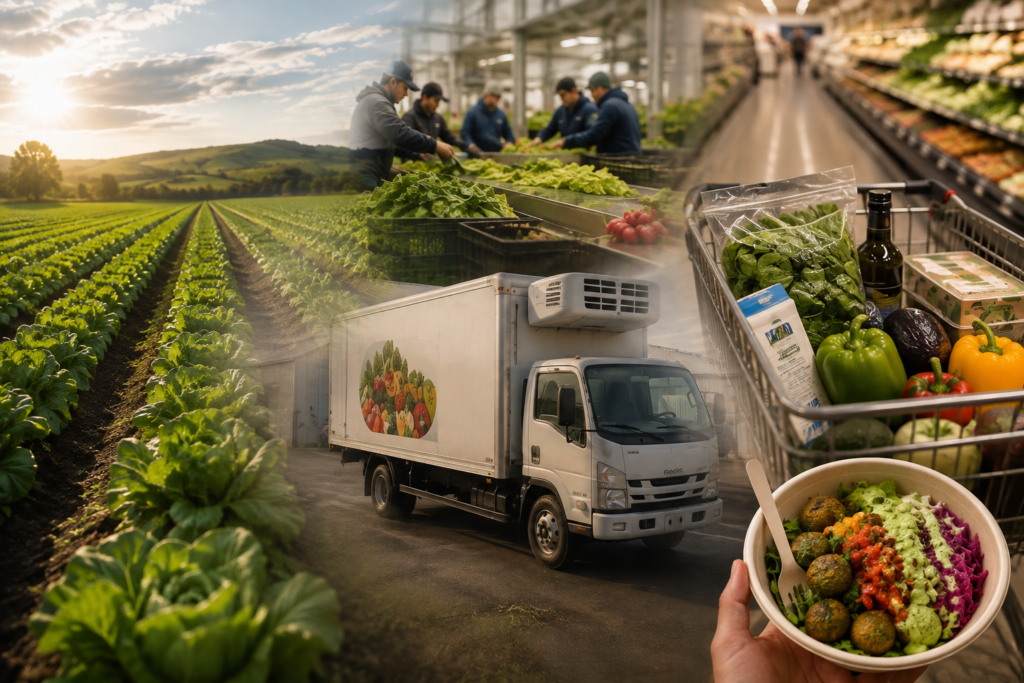
Where does our food come from before it reaches our plate? In this exciting STEM incursion, students become farmers, scientists and environmental stewards as they discover the journey of food from the farm to the table. Through coding, investigation, gardening, virtual reality and hands-on design, students explore how plants and animals provide us with food while learning about the important role of pollinators and sustainable food production.
Mission 1 – Edison Farm Adventure
Students become farm workers as they program Edison robots to navigate a farm-themed challenge mat. Using sequencing and problem-solving skills, they guide their robot to collect crops, visit farm animals and deliver food to its destination while developing early coding skills.
Mission 2 – Farm to Fork Challenge
Where does our food come from? Students investigate a variety of everyday foods before sorting them into foods that come from plants and foods that come from animals. Through discussion and hands-on exploration, they discover how farmers produce the food we enjoy every day.
Mission 3 – Seed Ball Workshop
Students become young gardeners as they create their own seed ball using soil, clay and vegetable seeds. They learn what plants need to grow and take home their seed ball to nurture into a healthy vegetable plant.
Mission 4 – Harvest Discovery
Students experience the journey of food through an immersive virtual reality adventure. From planting and growing to harvesting and transporting produce, students explore how food is produced before it reaches supermarkets and homes.
Mission 5 – Bee Hotel Builders
Students discover the important role bees play in pollinating many of the fruits and vegetables we eat before constructing their own bee hotel using natural materials. They learn how creating safe habitats for native solitary bees helps support healthy ecosystems and sustainable food production.
Students Will
- Explore the journey of food from the farm to the table.
- Identify foods that come from plants and animals.
- Develop computational thinking through coding challenges with Edison robots.
- Learn what plants need to grow by creating their own seed ball.
- Understand the vital role bees play in pollination and food production.
- Experience modern farming practices through virtual reality.
- Take home their own seed ball and bee hotel.
- Strengthen collaboration, creativity and problem-solving skills through hands-on STEM learning.
Suits: Grades 1-2

Smart Communities
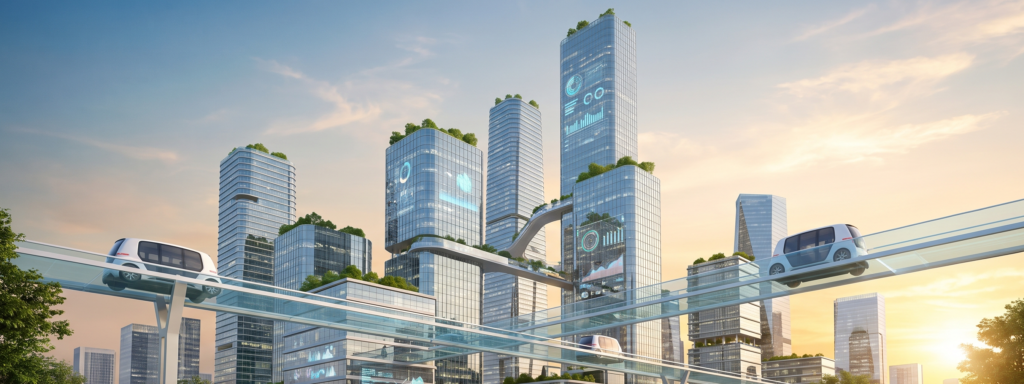
What makes a community safe, connected and enjoyable to live in? In this engaging STEM incursion, students become town planners, engineers, coders and inventors as they explore how technology helps solve real-world problems. Through coding, design thinking, immersive virtual reality and creative innovation, students investigate how thoughtful design and emerging technologies can improve the lives of people in their local community.
Mission 1 – Edison Community Challenge
Students become coding engineers as they program Edison robots to navigate a community-themed challenge mat. Working collaboratively, they create and test algorithms to safely travel between important community locations such as schools, hospitals, parks and emergency services while developing computational thinking and problem-solving skills.
Mission 2 – Design a Safer Town
Students step into the role of town planners as they investigate the features of a safe and accessible community. Using maps and design materials, they redesign a neighbourhood by adding features such as pedestrian crossings, bike paths, traffic lights, parks and community facilities that improve safety and wellbeing for everyone.
Mission 3 – Smart City Explorer
Students experience life in a modern city through an immersive virtual reality adventure. As they explore innovative buildings, transport systems and public spaces, they discover how technology is transforming the way communities are designed, connected and sustained.
Mission 4 – Invent the Next Big Idea
Every great invention begins with a problem to solve! Students become young inventors as they identify a challenge faced by people in their community before brainstorming, sketching and presenting an innovative invention that could make everyday life safer, easier or more enjoyable.
Students Will
- Develop coding and computational thinking skills using Edison robots.
- Investigate the features of safe, inclusive and sustainable communities.
- Apply the design thinking process to solve real-world problems.
- Explore how technology shapes modern cities.
- Generate and communicate innovative ideas through invention and design.
- Strengthen collaboration, creativity and problem-solving skills through authentic STEM challenges.
Suits: Grades 3 – 4
Cosmic Quest
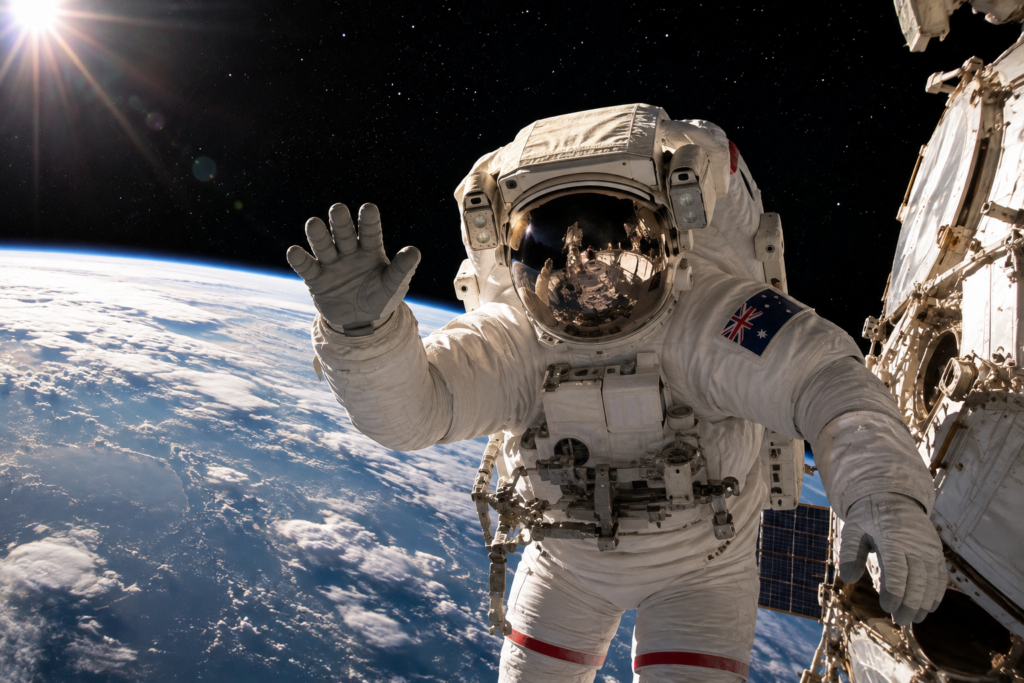
Prepare for an unforgettable journey beyond our planet! In this exciting STEM incursion, students become astronauts, scientists and engineers as they investigate the fascinating relationship between Earth, the Sun and the Moon. Through coding, scientific investigation, immersive virtual reality and creative engineering, students explore the forces that shape our world while developing curiosity, critical thinking and problem-solving skills.
Mission 1 – Rover Rescue Challenge
Students become mission controllers as they program Edison robots to navigate a space-themed challenge mat. Using sequencing and problem-solving skills, they guide their rover across planets, avoid obstacles and complete exciting space missions while developing computational thinking.
Mission 2 – Earth in Motion
Why do we experience day and night? Students investigate the movement of Earth using interactive models and hands-on demonstrations to explore how Earth’s rotation creates the pattern of day and night. They make observations and explain their discoveries using scientific language.
Mission 3 – Journey Beyond Earth
Students embark on an immersive virtual reality adventure through our Solar System. From orbiting Earth to exploring distant planets, students experience space from an astronaut’s perspective while discovering the unique features of our celestial neighbourhood.
Mission 4 – Space Science Lab
Students become planetary scientists as they closely examine a variety of rocks and space-themed specimens using digital microscopes and magnifying glasses. They observe textures, patterns and features before recording and discussing their scientific observations.
Mission 5 – Space Station Engineers
Students work collaboratively to design and construct their own model space station using a variety of building materials. As they create their structure, they consider what astronauts would need to live and work in space, including areas for sleeping, eating, conducting experiments and storing equipment.
Students Will
- Develop coding and computational thinking skills using Edison robots.
- Investigate how Earth’s rotation causes day and night.
- Explore the Solar System through immersive virtual reality.
- Observe and compare rocks and specimens using scientific equipment.
- Design and build a model space station.
- Strengthen collaboration, creativity and scientific inquiry through hands-on STEM learning.
Suits: Grades 3 – 4

Food Detectives
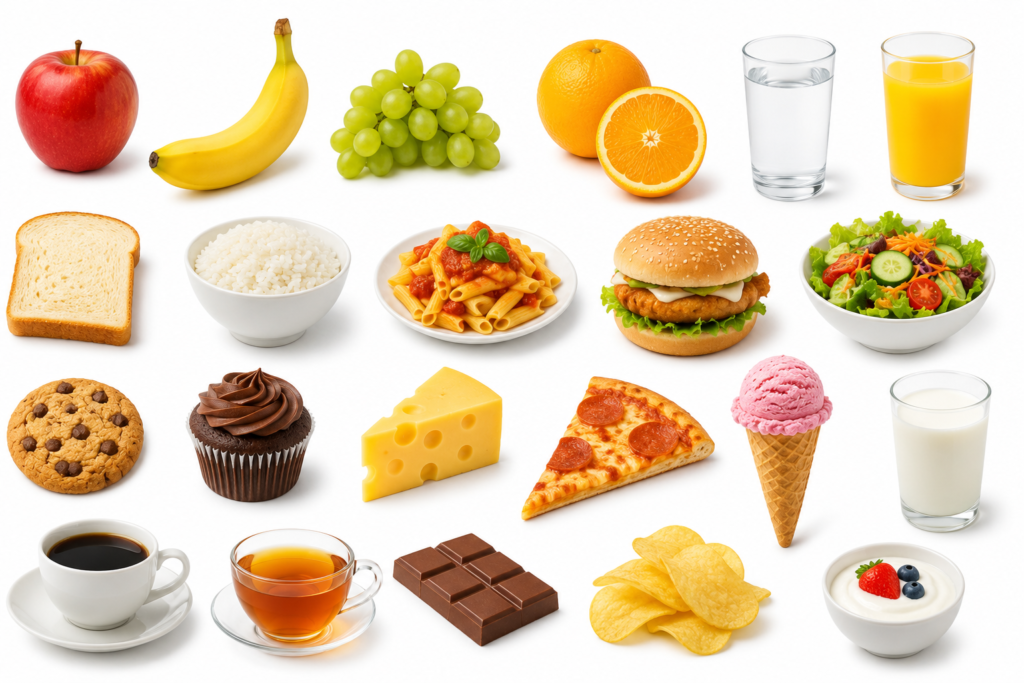
Put on your lab coat and become a Food Detective! In this engaging STEM incursion, students investigate the science behind the food we eat through a series of exciting hands-on missions. From exploring food under a digital microscope to experimenting with simple food chemistry, students discover how science, technology and agriculture work together to produce safe, healthy and nutritious food while developing curiosity, investigation skills and scientific thinking.
Mission 1 – FarmBot Challenge
Students become agricultural engineers as they program Edison robots to navigate a farm-themed challenge mat. Using coding and problem-solving skills, they complete farming missions such as planting crops, collecting produce and transporting food from the farm.
Mission 2 – Microscopic Food Lab
Students become food scientists as they investigate a variety of everyday foods using digital microscopes. They observe textures, structures and patterns that cannot be seen with the naked eye, comparing their observations and discussing how different foods are made up of unique structures.
Mission 3 – Farm to Table VR Adventure
Students experience the incredible journey of food through an immersive virtual reality experience. From farms and orchards to factories, supermarkets and homes, students explore how food is grown, harvested, processed and delivered before reaching our plates.
Mission 4 – Kitchen Chemistry
Students investigate how different ingredients react when combined through simple, safe food science experiments. They observe changes, make predictions and discuss the science behind everyday cooking and food preparation.
Mission 5 – Sugar Detectives
Students investigate the amount of sugar hidden in a variety of popular food and drink products. By comparing nutrition labels and measuring sugar quantities, they discover how making informed food choices can support a healthy lifestyle.
Students Will
- Develop coding and computational thinking skills using Edison robots.
- Investigate the microscopic structures of everyday foods using digital microscopes.
- Explore the journey of food from production to consumption through virtual reality.
- Conduct simple food science experiments and observe chemical changes.
- Interpret food labels and investigate the sugar content of common foods and drinks.
- Strengthen inquiry, collaboration and problem-solving skills through authentic STEM investigations.
- Develop a greater understanding of how science and technology contribute to healthy food production and informed food choices.
Suits: Grades 3 – 4
Mission to Mars
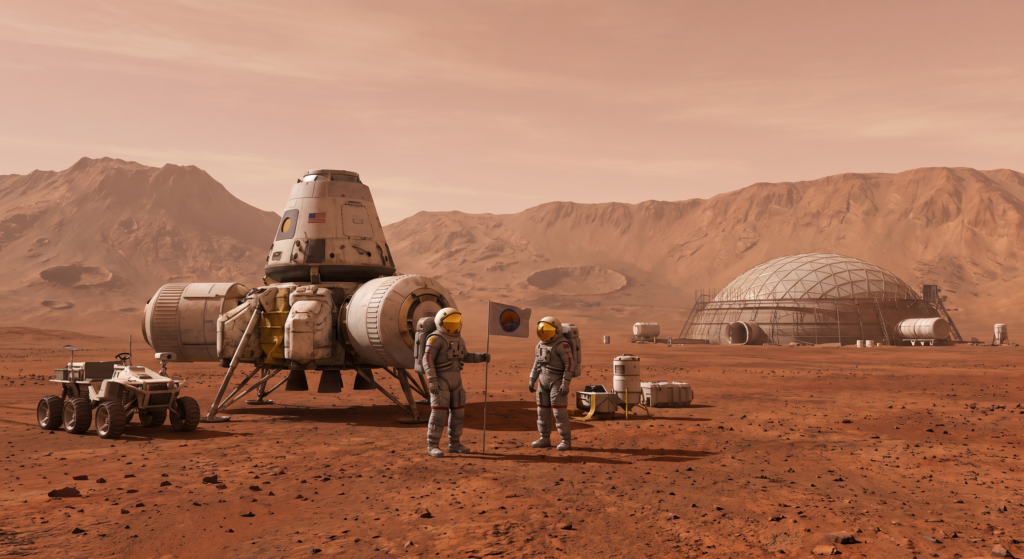
Prepare for the ultimate space adventure! In this exciting STEM incursion, students become aerospace engineers, astronauts and scientists as they investigate what it takes to survive on Mars. Through coding, engineering design, immersive virtual reality and scientific investigation, students tackle real-world challenges faced by space agencies while developing creativity, critical thinking and collaboration skills.
Mission 1 – Mars Rover Challenge
Students become mission controllers as they program Edison robots to navigate a Mars-themed challenge mat. Working in teams, they create, test and refine algorithms to guide their rover around craters, collect scientific samples and safely complete its mission across the Martian landscape.
Mission 2 – Mars Habitat Engineers
Students step into the role of aerospace engineers as they design and construct a model habitat capable of supporting life on Mars. Using a range of construction materials, they consider how astronauts would access food, water, oxygen, shelter and energy while living on the Red Planet.
Mission 3 – Explore Mars
Students embark on an immersive virtual reality expedition to the surface of Mars. As they explore its rocky terrain, towering volcanoes and deep canyons, they discover the unique challenges astronauts face when travelling and living on another planet.
Mission 4 – Martian Science Lab
Students become planetary scientists as they investigate a variety of rocks and “Martian” specimens using digital microscopes and magnifying glasses. They compare textures, colours and surface features while discussing how scientists analyse samples collected during space missions.
Mission 5 – Mission to Mars Design Challenge
Working collaboratively, students design an innovative solution that would help astronauts survive on Mars. Whether creating a new tool, transport system, food-growing solution or life-support invention, students sketch and present their ideas while applying the engineering design process to solve a real-world space challenge.
Students Will
- Develop computational thinking through coding challenges using Edison robots.
- Investigate the environmental conditions on Mars and the challenges of space exploration.
- Apply the engineering design process to create solutions for living on another planet.
- Explore the surface of Mars through immersive virtual reality.
- Observe and analyse rock specimens using scientific equipment.
- Strengthen collaboration, creativity and problem-solving through authentic STEM investigations.
- Gain an appreciation of how science, technology and engineering work together to support future space exploration.
Suits: Grades 5 – 6
The Science of Light
Light is all around us, but how does it work? In this illuminating STEM incursion, students become scientists and engineers as they investigate the fascinating properties of light through a series of exciting, hands-on missions. From harnessing the Sun’s energy to exploring how our eyes detect light, students discover how light shapes our everyday lives while developing scientific inquiry, critical thinking and problem-solving skills.
Mission 1 – Solar Oven Challenge
Students become renewable energy engineers as they design and build a simple solar oven. They investigate how the Sun’s energy can be captured and used to generate heat while exploring the benefits of sustainable energy sources.
Mission 2 – Journey Through the Eye
Students take an immersive virtual reality journey inside the human eye to discover how light travels through the eye and allows us to see. They explore the different parts of the eye and learn how the brain interprets visual information.
Mission 3 – Laser Maze Challenge
Can you complete the mission without breaking the beam? Students work collaboratively to navigate an exciting laser maze, investigating how light travels in straight lines while testing their agility, teamwork and problem-solving skills.
Mission 4 – Light Explorers
Students investigate the behaviour of light through a variety of hands-on experiments. They explore concepts such as reflection, refraction and the formation of shadows by making predictions, testing ideas and observing how light interacts with different materials.
Mission 5 – Suncatcher Creations
Students apply their understanding of light by designing and creating a colourful suncatcher to take home. As light shines through their creation, students observe how transparent materials interact with sunlight to produce beautiful visual effects.
Students Will
- Investigate how light behaves through hands-on experiments.
- Explore renewable energy by designing and testing a solar oven.
- Discover how the human eye detects and processes light.
- Observe reflection, refraction and shadow formation.
- Apply scientific knowledge to create a functional suncatcher.
- Strengthen inquiry, collaboration and problem-solving skills through engaging STEM challenges.
- Develop an appreciation of the importance of light in science, technology and everyday life.
Suits: Grades 5 – 6
Energy Engineers

Power up your thinking! In this exciting STEM incursion, students become electrical engineers as they investigate how electricity is generated, transferred and used safely in our everyday lives. Through coding, circuit building, engineering design and immersive technology, students discover how electrical energy powers our homes, schools and communities while developing problem-solving, collaboration and critical thinking skills.
Mission 1 – Edison Power Challenge
Students become robotics engineers as they program Edison robots to navigate an electricity-themed challenge mat. Working collaboratively, they create and refine algorithms to complete missions involving power stations, substations and homes while strengthening their computational thinking and coding skills.
Mission 2 – Circuit Builders
Students become electrical engineers as they build a variety of simple electrical circuits using batteries, wires, switches, motors and lights. Through investigation and experimentation, they discover how a complete circuit allows electrical energy to flow and power everyday devices.
Mission 3 – Torch Design Challenge
Students apply the engineering design process to design and build their own working torch. As they assemble electrical components, they investigate how switches, batteries and light sources work together to create a functional electrical device.
Mission 4 – Powering Our World
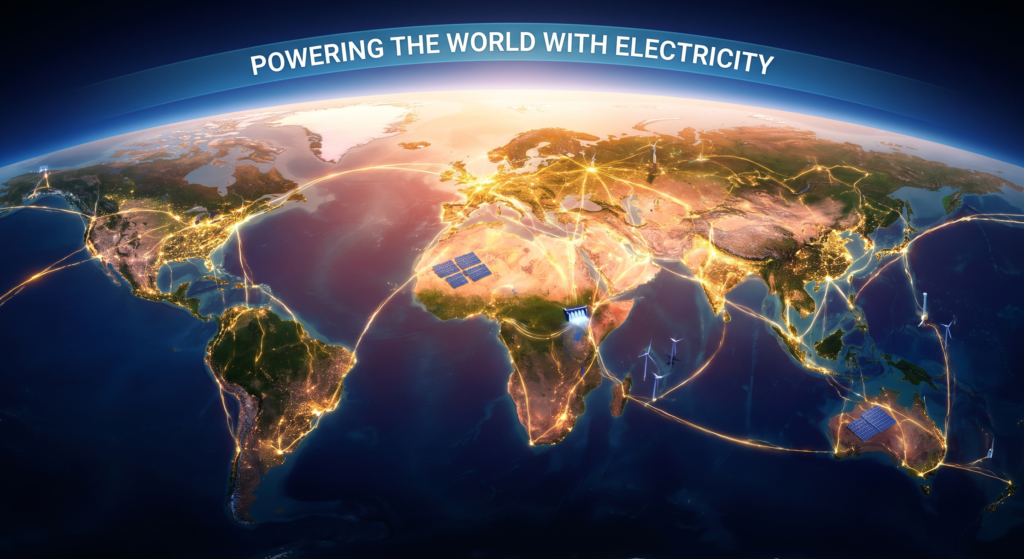
Students experience the journey of electricity through an immersive virtual reality adventure. They explore how electricity is generated, transmitted and distributed to homes, schools and businesses while discovering the important role of renewable and non-renewable energy sources.
Students Will
- Develop coding and computational thinking skills using Edison robots.
- Investigate how electrical circuits transfer electrical energy.
- Design and construct a working electrical device.
- Explore how electricity is generated and delivered to communities.
- Apply the engineering design process to solve practical challenges.
- Strengthen collaboration, creativity and scientific inquiry through authentic STEM learning experiences.
- Develop an appreciation of how electricity powers and supports modern society.
Suits: Grades 5 – 6